Spoiler Warning: This article discusses Tobirama Senju, the Uchiha clan, and the Reanimation Jutsu in the later parts of Naruto.
The same anime character can inspire completely different jokes in different parts of the world. Tobirama Senju, the Second Hokage of Naruto, is a perfect example.
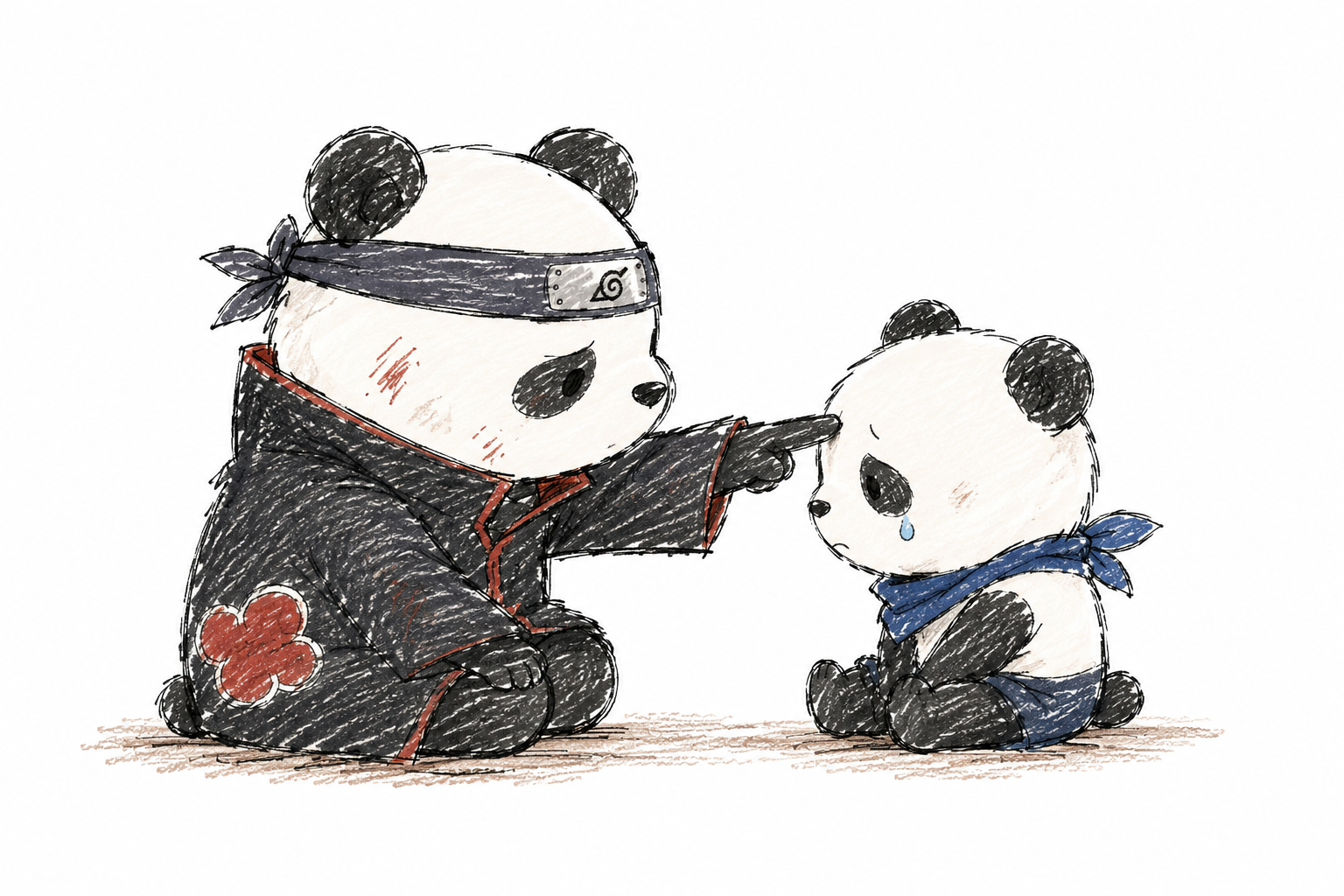
In Japanese fan communities, he is often called 「卑劣様」 (Hiretsu-sama). The word sounds like a harsh insult, but fans use it with a strange mixture of fear, respect, admiration, and affection.
In English-speaking fandom, however, the better-known joke is often “racist Tobirama.” That meme focuses less on his battle tactics and more on his distrust of the Uchiha clan and the consequences of his policies.
So how did one character end up with two very different reputations? Based on the Japanese and English-language reactions we reviewed, the answer reveals as much about fandom culture as it does about Tobirama himself.
Who Was Tobirama Senju?
Tobirama was the younger brother of Hashirama Senju, the First Hokage, and later became Konoha’s Second Hokage. If Hashirama was the man with the great dream, Tobirama was the man who tried to turn that dream into rules, institutions, and workable strategy.
An official Naruto birthday column describes him as a pragmatic leader who supported democratic administration, diplomacy, and the training of the next generation. He also created some of the series’ most important techniques, including the Shadow Clone Jutsu, Flying Raijin Jutsu, and Reanimation Jutsu.
His techniques followed a consistent idea: protect allies and weaken enemies as efficiently as possible. The problem was that Tobirama’s definition of “efficient” could be terrifying.
The official column even explains that Reanimation Jutsu could be used to revive enemies for intelligence—or to send the revived back behind enemy lines carrying explosive tags. You can understand the military logic while still being horrified by the ethics. That contradiction is the starting point of the Tobirama meme in Japan.
What Does “Hiretsu-sama” Mean?
The Japanese word hiretsu can mean underhanded, despicable, or dirty. Sama is an honorific that treats someone with elevated respect. Put them together and you get an intentionally contradictory nickname: something close in spirit to “Lord Underhanded.” There is no perfect one-word English translation.
The nickname is commonly linked to a line in the story describing Reanimation Jutsu as a “despicable” or “underhanded” technique created by the Second Hokage. At first, the label was closer to an insult. Tobirama was associated with a dangerous forbidden jutsu, and his treatment of the Uchiha was already controversial.
But as the later story revealed more of his personality and tactics, the joke changed. Tobirama was not cruel simply for pleasure. He was a leader shaped by war who repeatedly chose results over sentiment, especially when he believed that doing so would save his allies.
His methods were so ruthlessly well designed that fans began using “Hiretsu-sama” with admiration as well as criticism. The joke became: Of course that plan is frighteningly efficient. It came from Tobirama.
Four Trends in the Japanese Reactions We Reviewed
Japanese fans do not all agree about Tobirama. The points below are recurring tendencies we found across the Japanese fan wiki, discussion pages, personal commentary, and reaction-video culture we reviewed—not survey results for Japan as a whole.
1. He is rational to a frightening degree.
Tobirama is less interested in making a technique look impressive than in gathering information, surprising the enemy, and reducing friendly losses. The combination of Reanimation Jutsu and explosive tags produces two reactions at once: “That is horrifying” and “That is extremely efficient.”
2. He would be terrifying as an enemy but reassuring as an ally.
One recurring Japanese framing treats him as the kind of person you desperately want on your own side. His cold decisions are not random. They are usually tied to protecting the village or keeping his comrades alive.
3. He turned ideals into practical leadership.
Tobirama did not simply reject Hashirama’s dream. He gave the young village rules and structures that could survive beyond one idealistic founder. In the end, he volunteered to act as a decoy so that his subordinates could escape. That is why some fans reassess him as a highly competent boss and a realistic leader.
4. Admiration does not erase the ethical problems.
Fans can enjoy Tobirama while still questioning Reanimation Jutsu and the long-term effects of his Uchiha policies. In the reactions we reviewed, the interesting version of Tobirama was rarely “a man who was right about everything.” He was compelling because his achievements and his dangers existed together.
How an Insult Became an Affectionate Nickname
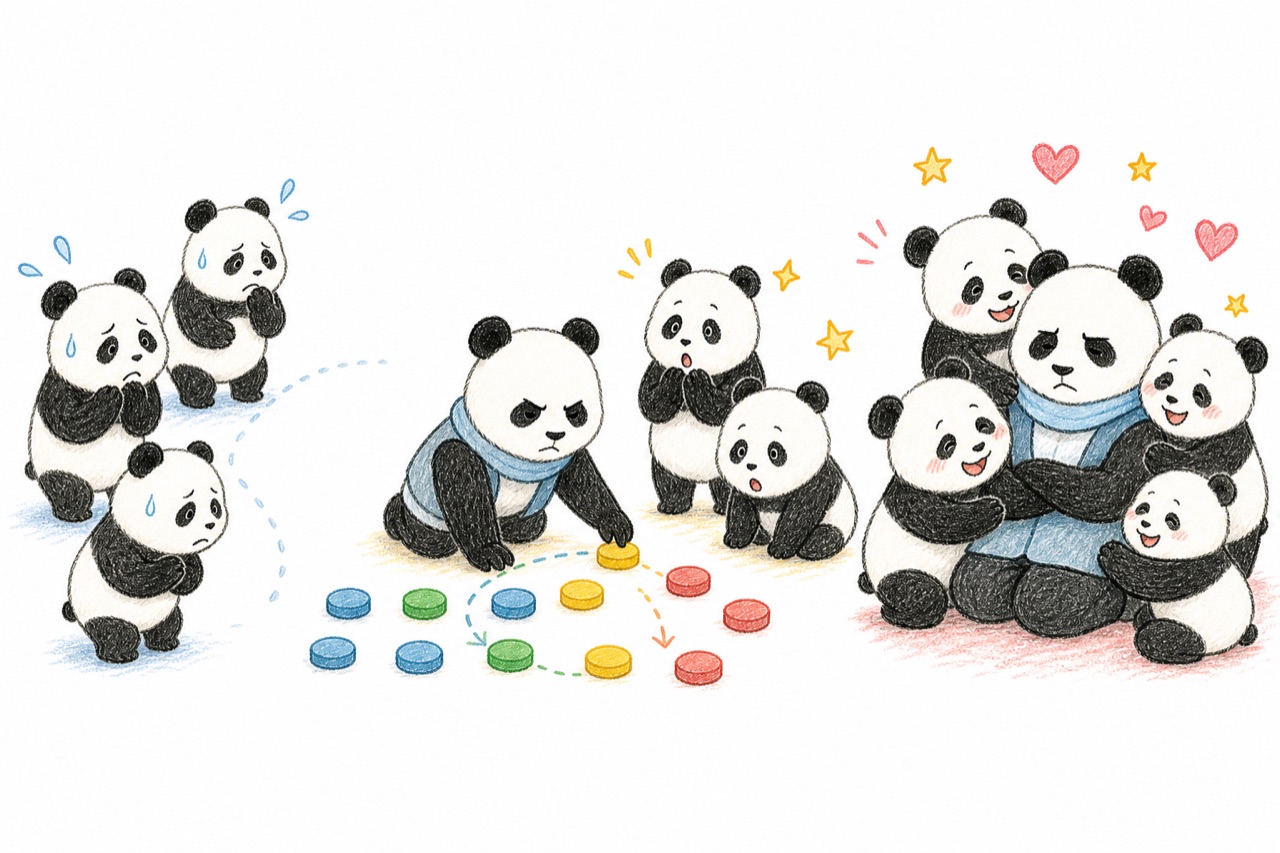
Japanese online fandom often turns an extreme flaw into a short nickname, then adds an honorific to give the joke an extra layer of ironic affection. “Hiretsu-sama” is a particularly clear example.
The sama does not make it pure respect. The word hiretsu does not make it pure hatred either. The humor lives in the contradiction. Fans see Tobirama appear and immediately expect a decision that is logical, effective, and somehow more merciless than anyone else would have imagined.
Over time, the nickname became less like a final judgment and more like a password between fans: we both understand why this man is impressive and alarming at the same time.
That is also why translating it simply as “evil” misses the point. The affection is hidden inside the insult, and the insult is still present inside the affection.
Overseas, the Meme Became “Racist Tobirama”
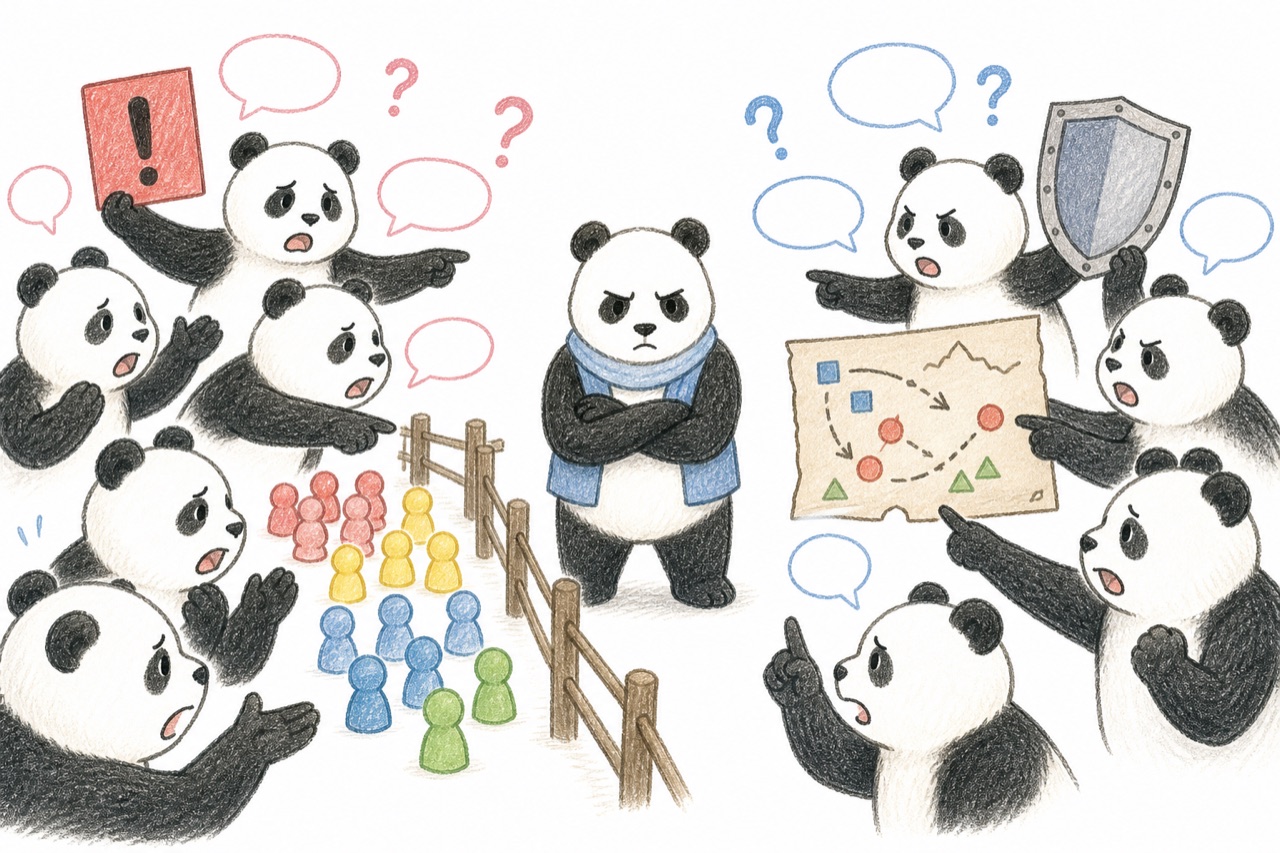
In English-speaking fandom, Tobirama’s most visible meme took a different route. Instead of concentrating on what he did with Reanimation Jutsu, it concentrated on how he viewed the Uchiha.
Know Your Meme’s community-submitted Tobirama page records examples of the joke spreading through Reddit images and fan-dub videos around 2020 and after. In those memes, Tobirama is exaggerated into a man who becomes suspicious the moment an Uchiha enters the room. The page is still labeled as a submission under research, so it is better treated as a useful collection of examples than as a definitive history.
The joke also opens a real argument. In long Reddit discussions, some fans say that “racist” is deliberately exaggerated meme language. They describe Tobirama as a war-scarred realist whose distrust came from years of fighting the Uchiha. Others argue that treating an entire clan as inherently dangerous—and creating policies that separated its members from the center of power—deserves serious criticism, whatever word is used.
There is even a specifically English-language punchline. When someone defends Tobirama by pointing out that he trusted Kagami Uchiha, other fans reply with a version of “I have an Uchiha friend.” It parodies the familiar real-world excuse that having one friend from a minority group proves a person cannot be prejudiced.
So “racist Tobirama” is not only a character joke. It has also become a compact way for overseas fans to debate prejudice, collective blame, the memory of war, and the unintended results of government policy.
Why the Japanese and Overseas Memes Focus on Different Things
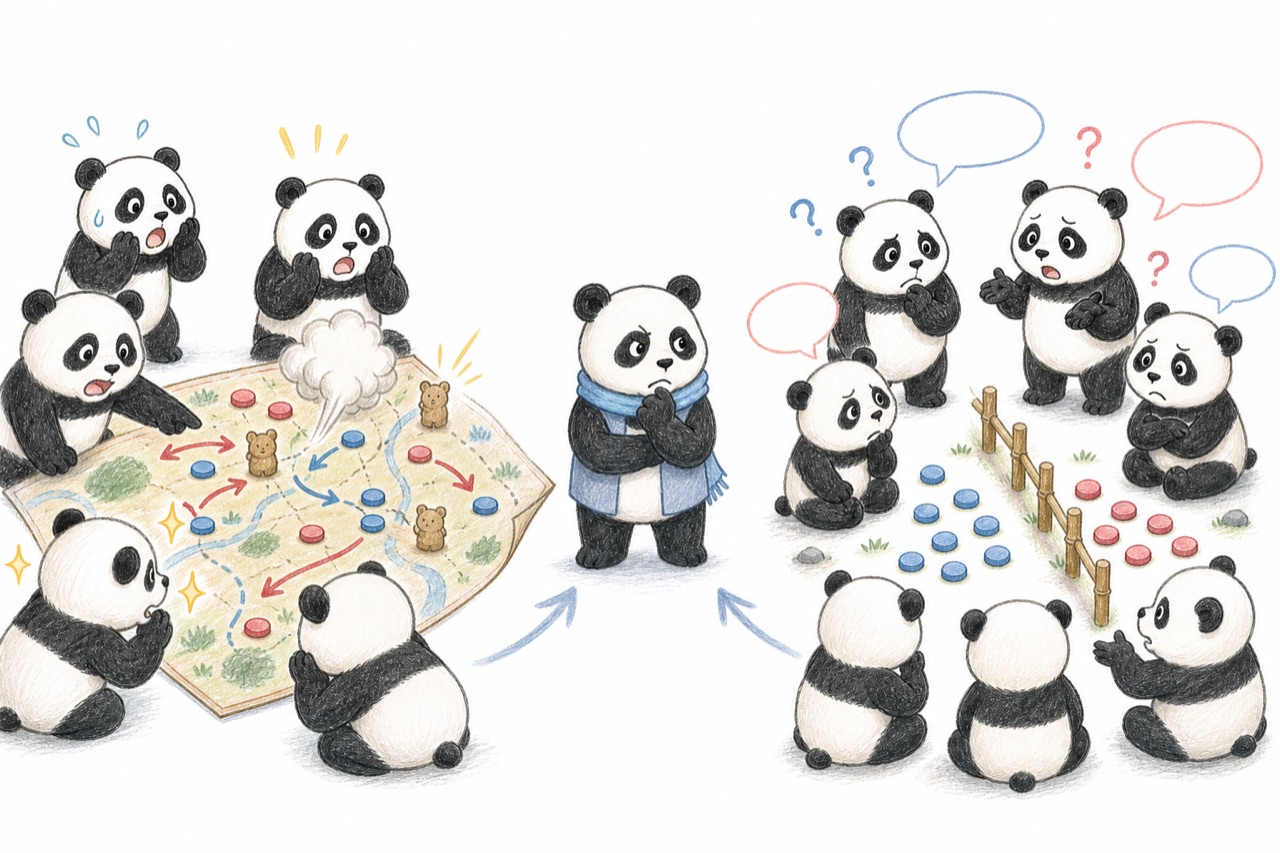
The simplest difference is this:
- The Japanese nickname reacts mainly to what Tobirama did and how he fought.
- The overseas meme reacts mainly to whom Tobirama distrusted and how he treated that group.
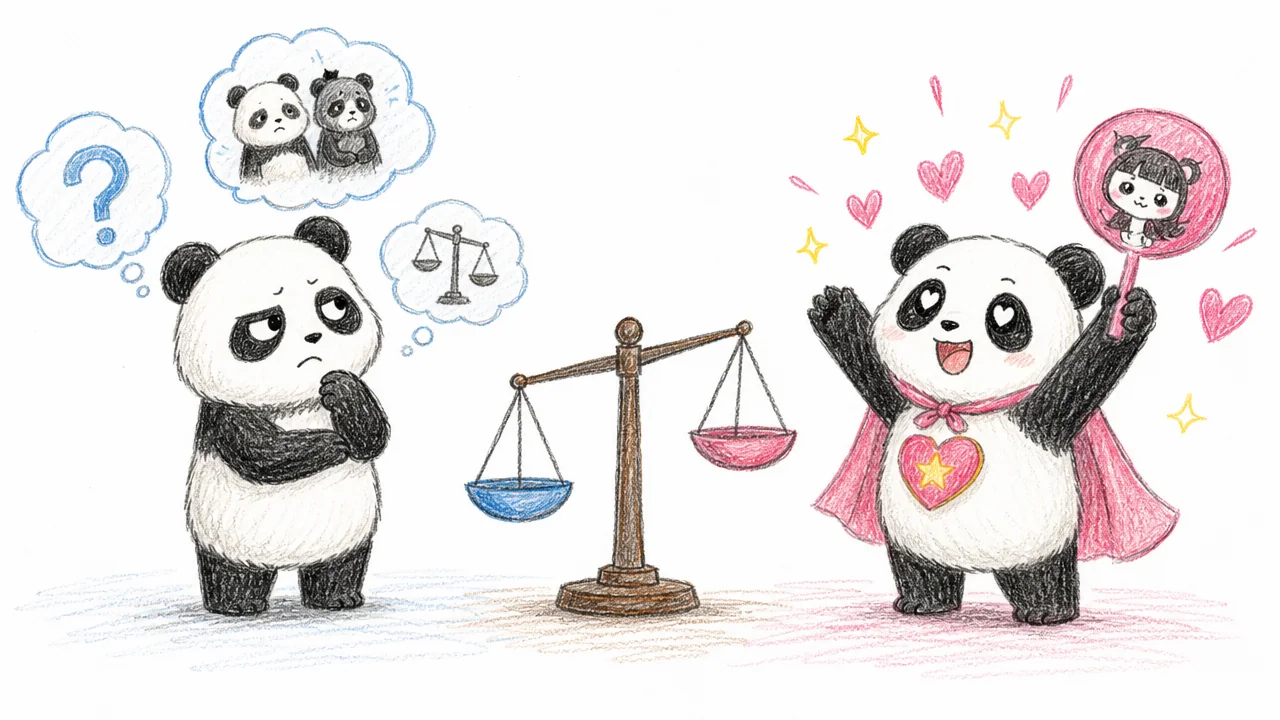
“Hiretsu-sama” points toward forbidden techniques, information warfare, efficiency, and the alarming cleverness of his plans. “Racist Tobirama” points toward his words about the Uchiha and the social consequences of his policies.
This is not a clean border. Japanese fans also argue about the Uchiha policies, and overseas fans also admire Tobirama’s tactical brilliance. The difference is in the short label that became easiest to share in each fandom.
Language matters too. In Japanese, adding sama to hiretsu instantly creates a tone that is half insult and half reverence. In English, “racist” is an immediately recognizable and highly charged label. It also plugs easily into existing meme formats about prejudice and bad excuses.
The two jokes therefore compress different parts of the same complicated character.
Why Tobirama Is Still So Popular
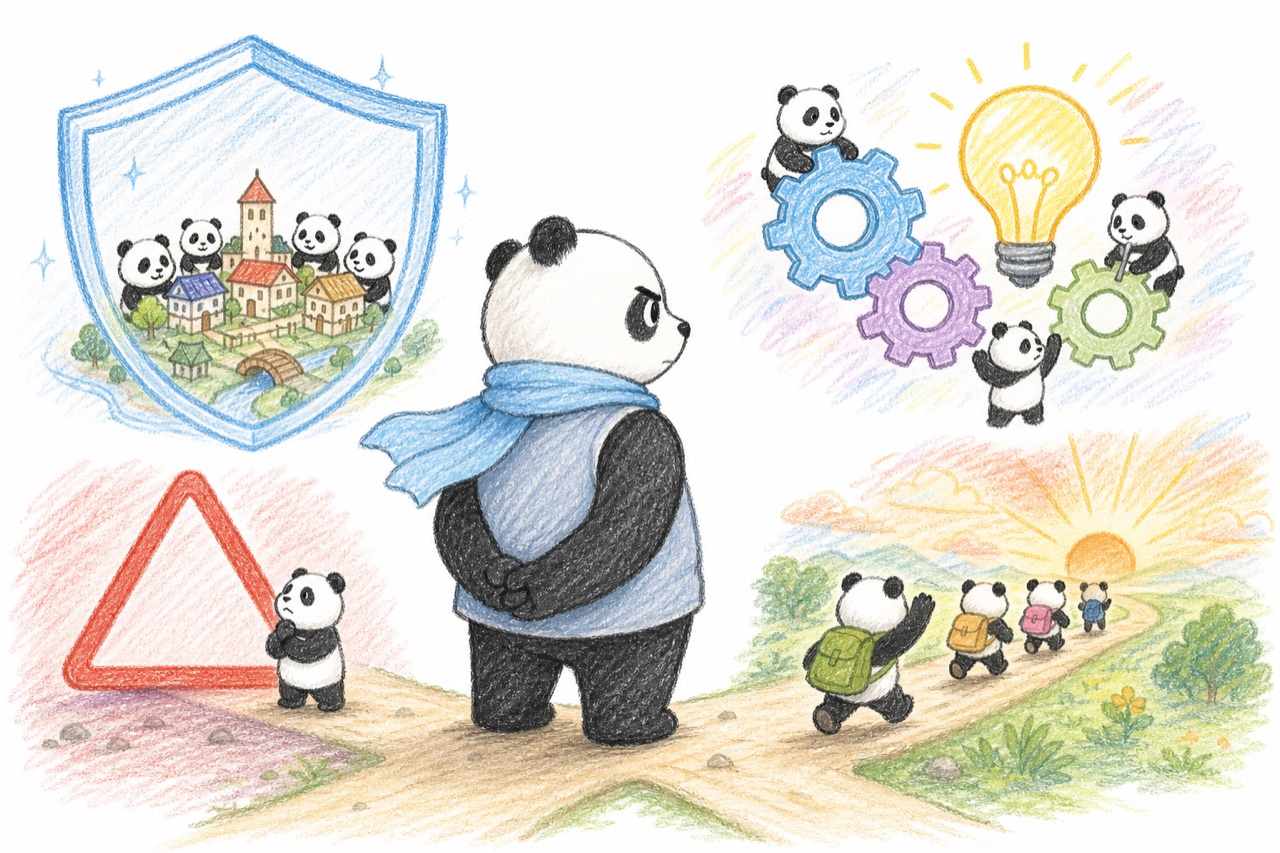
Tobirama is difficult to reduce to either hero or villain. He wanted peace, built systems for the future, trained the next generation, and ultimately gave his life for his comrades. He also created a jutsu that turned the dead into tools and made political choices whose consequences could outlive his original intentions.
That tension gives fans endless material. They can praise his tactical intelligence, criticize his ethics, defend his historical context, question his policies, or turn all of it into a joke.
“Hiretsu-sama” and “racist Tobirama” are not complete descriptions of the character. They are two windows into him—showing which part of the same complicated man each fandom found easiest to remember, debate, and remix.
Panda’s Note 🐼
In Japan, “Hiretsu-sama” is not simply an insult. It packs fear, respect, amusement, and unease into one contradictory honorific.
How is Tobirama discussed in your country? Did you encounter the “racist Tobirama” meme first, or do fans around you also admire his frighteningly efficient tactics?
Comments