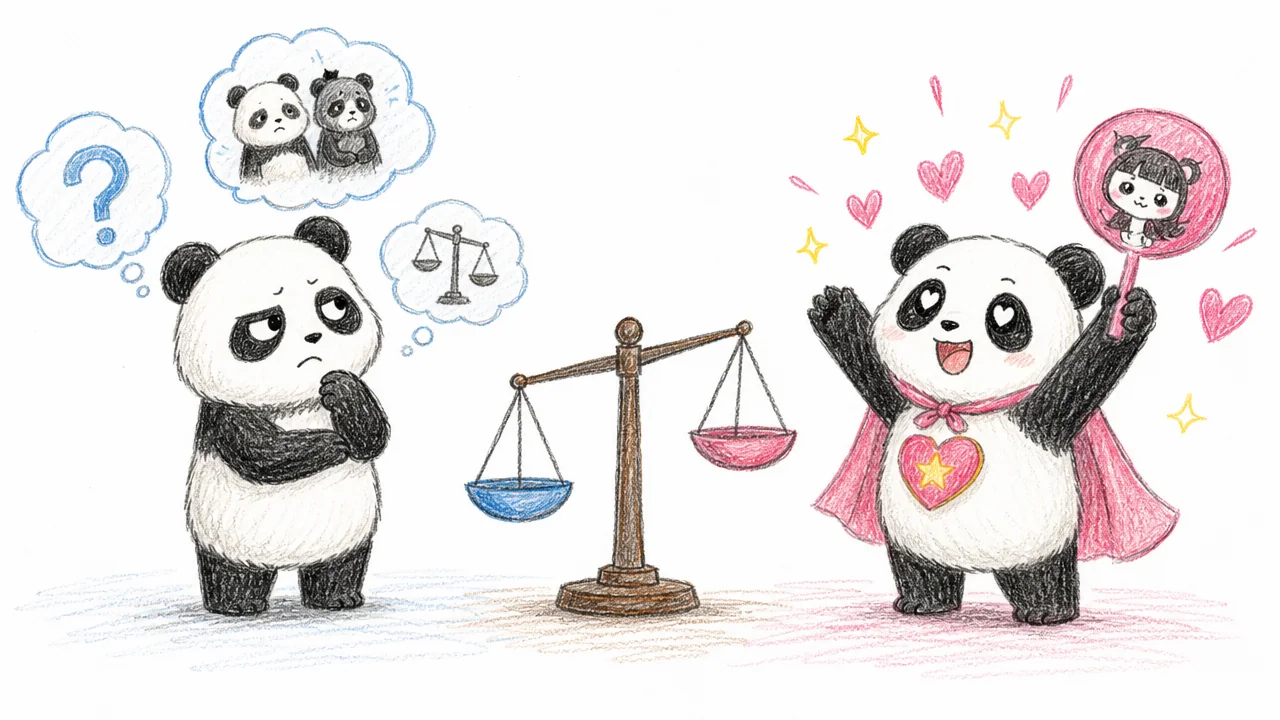
This feature discusses Sakura’s development, the false-confession storyline, her fight with Sasori, and later romantic and character outcomes.
Search for Japanese reactions to Sakura Haruno and you will quickly find criticism: old anti-fan threads, blog posts, Q&A discussions, and newer comment sections that revisit the same complaints. That visibility can make one conclusion feel obvious: Japanese fans must hate Sakura.
The evidence points to a more interesting answer. Strong anti-Sakura reactions have been visible in Japanese-language fandom for years, but fans also celebrate her growth, create birthday art, and vote for her. Sakura is not simply rejected; she is intensely debated.
So the better description is not “Sakura is hated in Japan.” It is “Sakura is a polarizing character whose criticism has been unusually easy to see online.”
- Why Japanese fans criticize Sakura
- The “weak and useless” image began in Part I
- Sakura’s defenders point to Sasori and medical ninjutsu
- Romance and shipping make the debate more intense
- What “サクラアンチ” and “ウザクラ” reveal about Japanese fandom
- Japan and overseas fandom use different shorthand
- What the popularity evidence can—and cannot—tell us
- The answer: visible anti-reaction, not universal hatred
- Why the Sakura debate still matters
- Panda’s Note 🐼
Why Japanese fans criticize Sakura
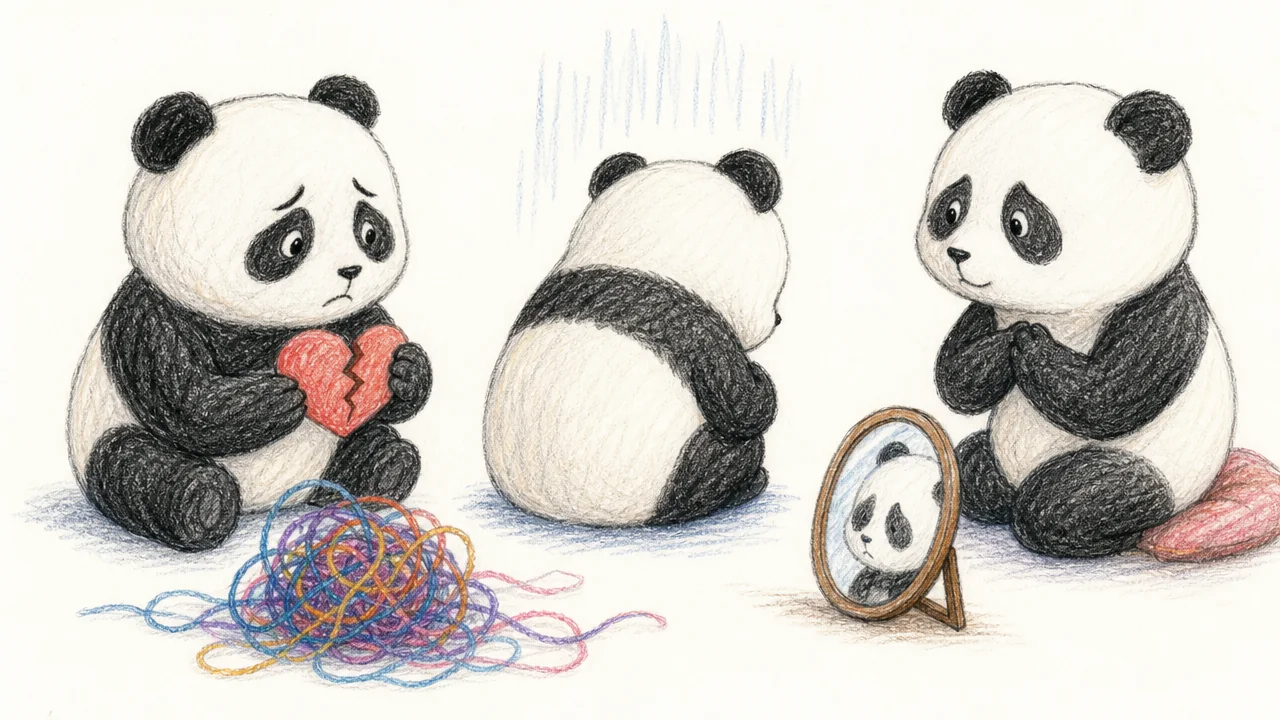
The most repeated complaints focus on Sakura’s early behavior rather than on power levels alone. Some Japanese-language discussions remember her as looking down on Naruto during the first part of the story or changing her attitude when Sasuke was present.
That creates a specific kind of dislike: the feeling that Sakura treats people differently depending on who is watching. Critics are often reacting to what they see as insensitivity or insincerity, not merely to a lack of combat ability.
The storyline involving Sakura’s confession to Naruto is another lasting flashpoint. Japanese blog reactions from the late 2000s criticized the scene, and more recent comments continue to interpret it as an attempt to use Naruto or as an emotionally unfinished decision. The criticism has stayed recognizable because it is about trust, not just an old power-scaling argument.
The “weak and useless” image began in Part I
Naruto and Sasuke receive dramatic power-ups and major battles early in the series. Sakura, by comparison, has fewer opportunities to dominate fights in Part I. Some Japanese commenters therefore describe her as weak, inactive, or a burden to the team.
Older anti-Sakura threads also attach personality criticisms to this image, using expressions such as “有言不実行”—roughly, all talk and no follow-through—or accusing her of being unable to read the situation. The precise wording varies, but the pattern is consistent: early impressions remained influential even after Sakura became much stronger.
Other Japanese fans push back by emphasizing her development in Part II. The disagreement often depends on which version of Sakura a reader weighs more heavily: the inexperienced genin of the early story or the medical ninja and frontline fighter she becomes later.
Sakura’s defenders point to Sasori and medical ninjutsu
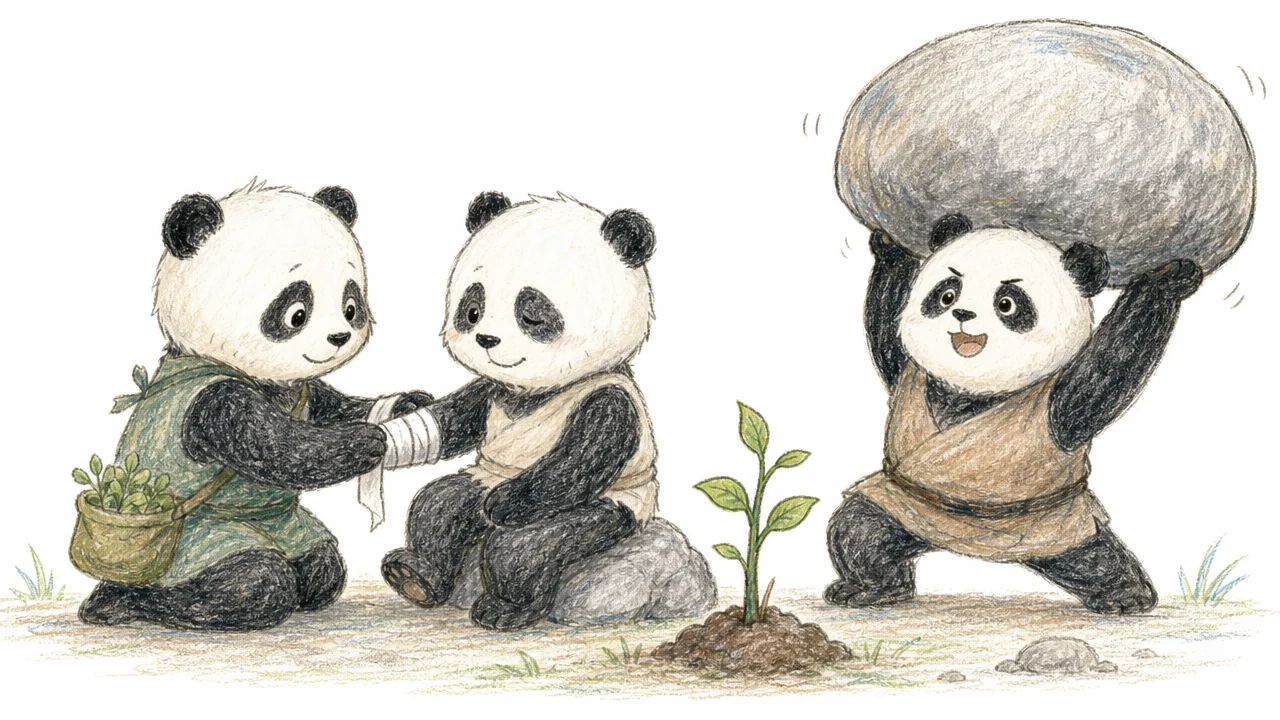
The strongest defense of Sakura centers on her growth under Tsunade. She develops medical ninjutsu, gains exceptional physical strength, and takes on a practical role that combines combat with keeping other characters alive.
Her battle alongside Chiyo against Sasori is especially important to Japanese and overseas supporters. The official NARUTOP99 project named that fight the top battle in its best-bout voting, describing it as a symbolic display of Sakura’s growth. This part of her story clearly resonates far beyond one corner of the fandom.
Japanese ranking-site comments likewise praise the Sasori fight, her medical expertise, and her willingness to support teammates. For these fans, Sakura is not a character who stayed useless; she is a character whose progress was earned through training rather than inherited spectacle.
Romance and shipping make the debate more intense
Sakura’s reputation is also tied to relationship debates. In some Japanese online discussions, criticism of Sakura appears alongside support for Hinata or arguments about Naruto/Sakura and Sasuke/Sakura. Her feelings for Sasuke and her decision not to return Naruto’s feelings can become part of a larger heroine or pairing conflict.
That means a post criticizing Sakura may be doing more than assessing her personality. It may also be defending a preferred relationship, another heroine, or a particular reading of Naruto’s emotional story.
The reverse is true as well. Fans who support Sakura and Sasuke, or who approve of Sakura’s eventual place in the story, can interpret the same material sympathetically. This overlap makes it difficult to treat every anti-Sakura comment as a purely character-based judgment.
What “サクラアンチ” and “ウザクラ” reveal about Japanese fandom
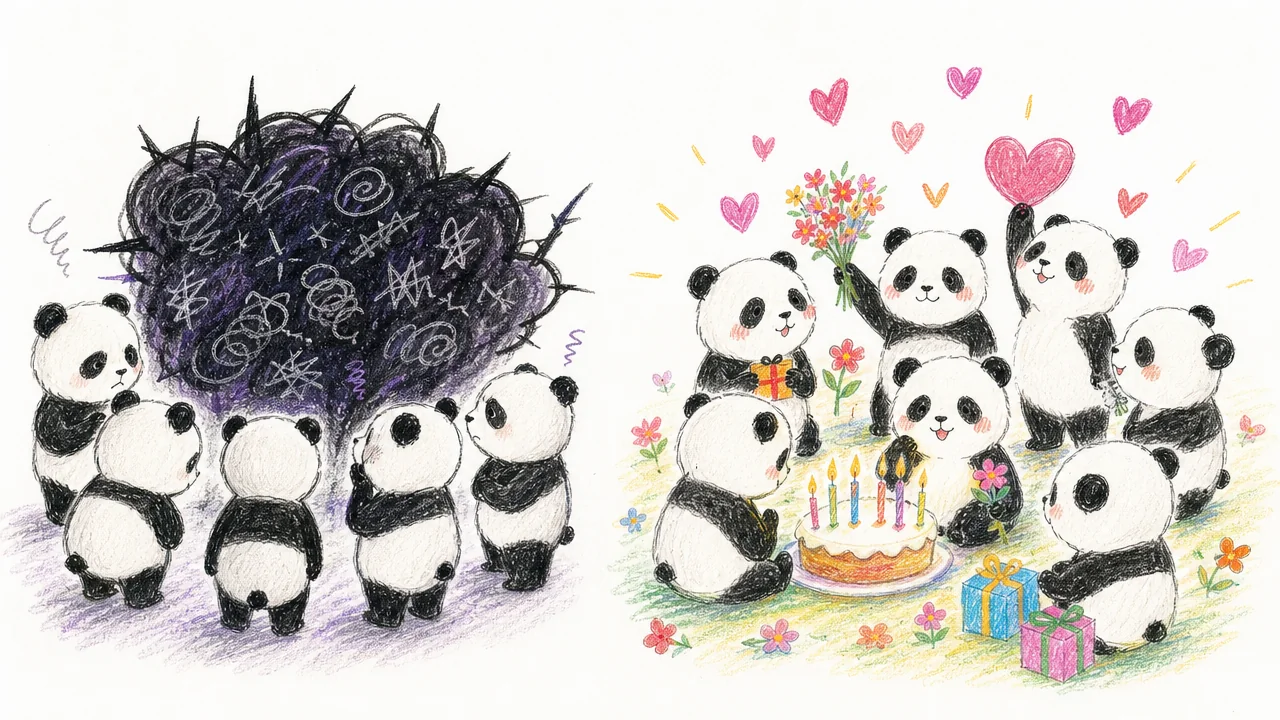
The term “サクラアンチ” means an anti-Sakura fan or someone who persistently criticizes Sakura. It has appeared in Japanese online fandom for years, including dedicated anti-Sakura threads.
Another term, “ウザクラ,” combines “ウザい” (“annoying” or “irritating”) with “サクラ.” It is a derogatory nickname used in hostile fan contexts. It is not an official term, nor is it a standard expression used by Japanese fans as a whole.
Dedicated anti-threads show that strong dislike was organized and visible, but they are also spaces built to attract negative opinions. They help explain why anti-Sakura sentiment looks so prominent online; they do not tell us how every Japanese reader feels.
There is visible positive activity too. Sakura birthday posts use hashtags such as “#春野サクラ生誕祭,” meaning “Haruno Sakura birthday festival,” and NARUTO-related commercial venues have held Sakura birthday events with themed food and merchandise. That sustained support tells a very different story from anti-thread culture.
Japan and overseas fandom use different shorthand
In English-language fandom, “Sakura is useless” is the best-known shorthand for criticism. Reddit discussions show the phrase being used both seriously and as knowingly recycled Naruto banter. Other hostile expressions, including “trash,” “trash can Sakura,” and “Pink Roach,” also appear in English-language fandom records.
The important difference is not that Japanese fans criticize Sakura while overseas fans do something else. Both spaces debate her early weakness, her treatment of Naruto, her attachment to Sasuke, and the quality of her writing. The difference is which catchphrases become recognizable and how often they are repeated.
Overseas discussions also frequently frame Sakura as “overhated,” arguing that the old joke ignores her medical work, Sasori fight, and later contributions. Some fans shift the criticism from “weak” to “poorly written,” focusing on limited plot agency or inconsistency rather than combat ability.
What the popularity evidence can—and cannot—tell us
The 2022–2023 NARUTOP99 campaign was the franchise’s first worldwide character popularity poll. It collected approximately 4.6 million votes, and Sakura ranked third overall.
That result is strong evidence that Sakura has substantial international support. Because it was worldwide rather than Japan-only, it cannot settle the Japan question—but it does make “nobody likes Sakura” impossible to defend.
Other official appearances, such as Sakura’s inclusion in a 2009 Japan Post NARUTO commemorative stamp issue, show that she has long been treated as a major franchise character. Popularity and backlash can easily coexist when millions of fans care about the same character.
The answer: visible anti-reaction, not universal hatred
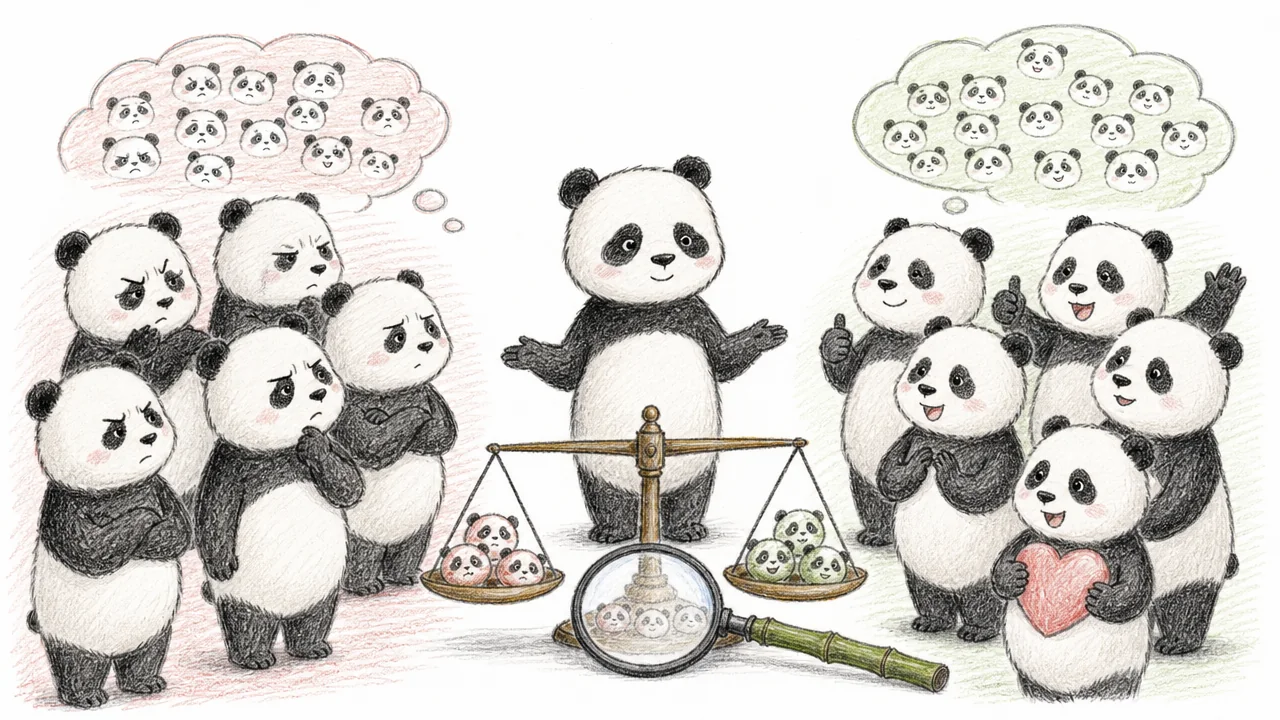
Yes, Sakura has been strongly criticized in Japanese-language fandom. The main targets are her early attitude toward Naruto, her behavior around Sasuke, the confession storyline, and her limited combat impact in Part I.
That still does not make hatred the default Japanese view. Supporters value her training, medical ninjutsu, Sasori battle, teamwork, and development. Birthday celebrations and fan creations provide further signs of an active support base, while NARUTOP99 shows that she can rank extremely highly in a global vote.
The most accurate conclusion is that Sakura is a popular but polarized character in Japanese online fandom. Her anti-fan culture is old and highly visible, while her supporters are also real. Visibility is not the same thing as majority opinion.
Why the Sakura debate still matters
Sakura’s reputation illustrates how internet fandom can turn a character judgment into a durable meme. A dedicated anti-thread gathers negative reactions; a repeated phrase condenses a complicated character arc into one label; later readers then encounter the label before revisiting the story themselves.
Her case also shows how character criticism can combine several arguments at once: combat usefulness, emotional decisions, romantic preferences, writing quality, and expectations placed on female characters. The result is not a simple popularity contest.
For international readers, Sakura is a useful example of how fandom language keeps an old reputation alive. Japan has terms such as “ウザクラ,” while English fandom repeats “Sakura is useless.” The most interesting part is not deciding which side won; it is seeing how each community compresses a complicated character into a phrase.
Panda’s Note 🐼
What is the most repeated criticism of Sakura in your country—and do fans still agree with it today?
Which other anime character has an old meme that survived long after the character changed?

Comments